


Trạm nạp hydro dừng hoạt động, thời gian chờ sửa chữa kéo dài
Ngày 11 tháng 9 năm 2026
Annie Nguyễn
Trong khi tốc độ mở rộng trạm nạp hydro chưa đạt kỳ vọng, vấn đề lớn hơn đang được chỉ ra là hệ thống ứng phó bảo trì yếu kém. Sau khi xảy ra hỏng hóc, việc khôi phục không được thực hiện nhanh chóng, khiến ngay cả cơ sở hạ tầng đã được xây dựng cũng không được sử dụng đúng cách.
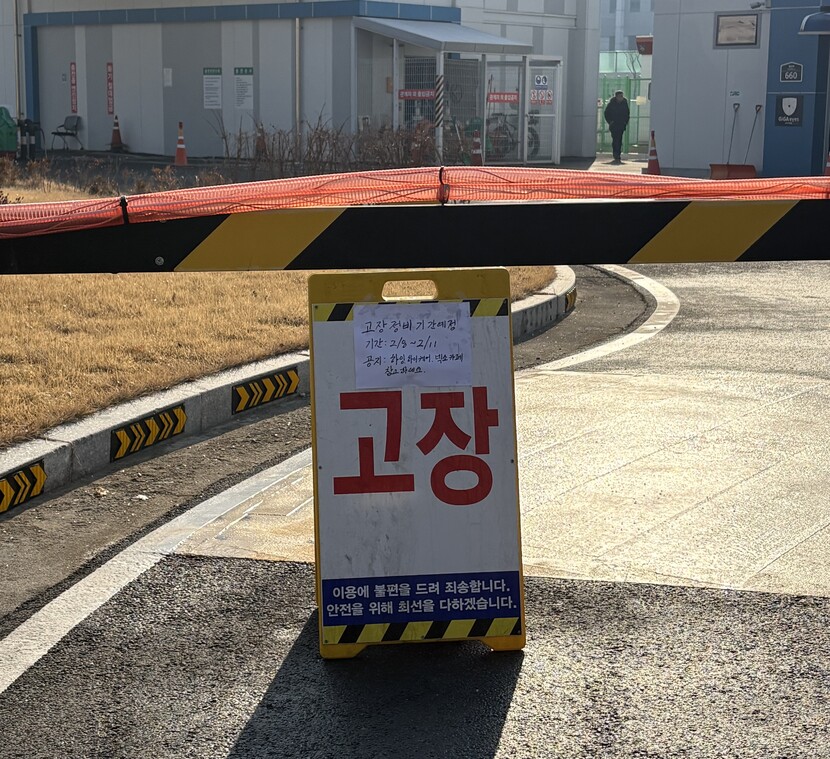
Kết quả khảo sát thực tế tại một số trạm nạp hydro bị hỏng cho thấy, dù chỉ là sự cố thiết bị đơn giản, nhiều trạm vẫn bị dừng hoạt động trong thời gian dài. Không ít trường hợp hoạt động bị đình trệ mà lịch khôi phục thậm chí còn chưa được xác định. Một quan chức tại hiện trường cho biết bản thân sự cố không phải vấn đề phức tạp, nhưng do nhân viên bảo trì không được điều động kịp thời nên trạm vẫn đang trong tình trạng chờ đợi, và ngay cả họ cũng không biết khi nào việc sửa chữa sẽ được thực hiện.
Thời gian từ khi yêu cầu bảo trì đến khi có phản hồi thực tế kéo dài hơn dự kiến. Theo kết quả điều tra, công ty A chuyên sản xuất thiết bị làm mát do thiếu nhân lực nên có trường hợp phải mất tới hai tuần sau khi có yêu cầu điều động mới đến được hiện trường. Tại một chính quyền địa phương nơi tình hình đang trở nên nghiêm trọng, thậm chí đã có ý kiến đề xuất thay thế toàn bộ thiết bị làm mát của công ty A bằng thiết bị của doanh nghiệp khác do ứng phó bảo trì chậm trễ.
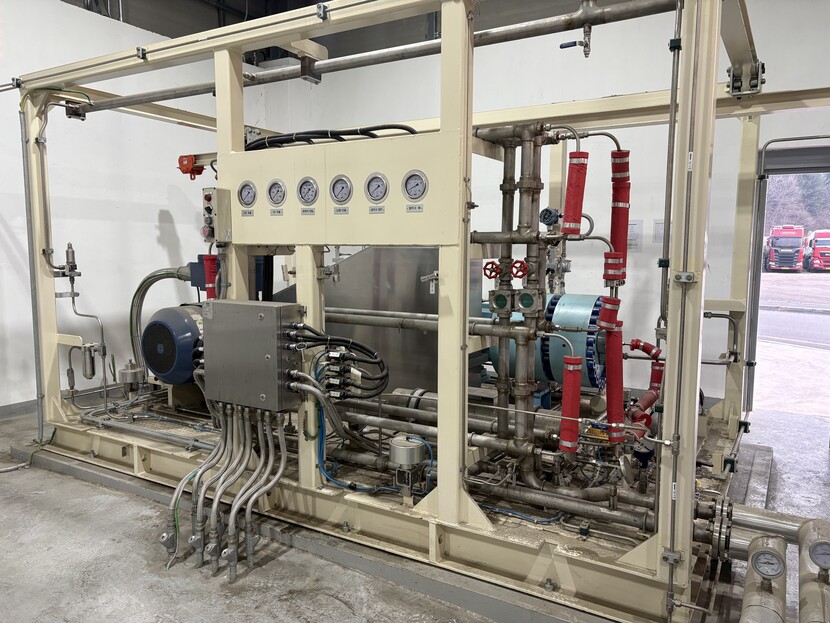
Vấn đề lớn hơn là ngay cả quá trình ứng phó ban đầu cũng bị chậm trễ. Với một số thiết bị, việc sửa chữa không hoàn tất chỉ trong một lần điều động, mà trước tiên phải đến hiện trường kiểm tra bằng mắt để xác định nguyên nhân, sau đó chuẩn bị linh kiện cần thiết rồi quay lại lần nữa. Theo giải thích tại hiện trường, trong quá trình này phải điều động ít nhất hai lần, khiến thời gian khôi phục càng kéo dài.
Đặc biệt, tình hình càng nghiêm trọng hơn đối với các trạm sử dụng thiết bị nhập khẩu hoặc lắp đặt ở khu vực xa xôi. Do việc cung cấp linh kiện và điều động nhân lực kỹ thuật bị chậm trễ, không ít trường hợp thực tế bị bỏ mặc trong thời gian dài. Một quan chức đơn vị vận hành cho biết vấn đề lớn nhất không phải là sự cố mà là không biết khi nào nó sẽ được sửa, và trong khoảng thời gian đó trạm nạp thực tế mất đi chức năng.
Gánh nặng ba tầng do cấu trúc nhiều tầng kém hiệu quả
Hiện nay, việc bảo trì trạm nạp hydro được thực hiện theo cấu trúc nhiều tầng. Khi xảy ra hỏng hóc tại hiện trường, trưởng trạm xác nhận rồi báo cáo lên đơn vị vận hành, sau đó được chuyển tiếp đến nhà sản xuất thiết bị chính và từng nhà cung cấp linh kiện. Tiếp theo, đội bảo trì lên lịch điều động, và phải có phản hồi theo chiều ngược lại thì lịch sửa chữa thực tế mới được xác định. Vấn đề là quá trình này quá dài và kém hiệu quả.
Vấn đề cấu trúc này càng thể hiện rõ từ thời điểm kết thúc giai đoạn bảo trì miễn phí. Hầu hết các trạm nạp được bảo trì miễn phí trong 2 đến 3 năm sau khi xây dựng, nhưng khi giai đoạn này kết thúc, gánh nặng chi phí bảo trì được chuyển sang đơn vị vận hành. Đồng thời, thiết bị bước vào giai đoạn lão hóa và hỏng hóc gia tăng thực sự. Kết quả là cấu trúc gánh nặng ba tầng cùng lúc tác động: hỏng hóc tăng, ứng phó chậm và chi phí tăng vọt.
Các thiết bị thường xuyên hỏng hóc cũng tập trung chủ yếu vào các công đoạn cốt lõi. Máy nén, thiết bị làm mát, bộ phân phối và máy tạo nitơ là những thiết bị chính, và nếu bất kỳ thiết bị nào trong số này dừng lại, toàn bộ trạm nạp buộc phải ngừng hoạt động.
Đặc biệt, do đặc tính vận hành trong môi trường áp suất cao, tỷ lệ hỏng hóc của máy nén được cho là cao nhất, và thiết bị làm mát cùng bộ phân phối cũng thường xuyên gặp lỗi nhỏ. Ngoài ra, hầu hết thiết bị còn chịu ảnh hưởng theo mùa, khiến các vấn đề tương tự lặp lại vào mỗi mùa hè.
Tuy nhiên, hệ thống bảo trì có thể ứng phó nhanh chóng khi xảy ra hỏng hóc vẫn chưa được trang bị đầy đủ.
Suy giảm độ ổn định vận hành do hạn chế ở giai đoạn xây dựng
Nguyên nhân gốc rễ được chỉ ra là "hạn chế ở giai đoạn xây dựng." Hiện nay, phần lớn trạm nạp hydro được lắp đặt thông qua các dự án đấu thầu của chính phủ, và để giảm thiểu gánh nặng cho khu vực tư nhân, thiết bị thường được xây dựng theo tiêu chuẩn đấu thầu. Có ý kiến cho rằng do tập trung vào việc giảm chi phí xây dựng ban đầu, năng lực ứng phó với độ ổn định vận hành lâu dài hoặc nhu cầu gia tăng chưa được xem xét đầy đủ.
Đặc biệt, thiết bị được thiết kế với giả định nhu cầu chủ yếu từ xe con sẽ ngay lập tức bộc lộ hạn chế khi nhu cầu dung lượng lớn như xe buýt và xe tải xuất hiện. Thiết bị bị quá tải, hỏng hóc lặp lại, và điều này lại dẫn đến vòng luẩn quẩn dừng hoạt động dài hạn. Tại hiện trường, có ý kiến cho rằng cần xây dựng với dung lượng dự phòng ngay từ đầu, nhưng do chạy theo tiêu chuẩn đấu thầu nên cuối cùng thiết bị không chịu nổi.
Các chuyên gia nhấn mạnh rằng chính sách hạ tầng nạp hydro cần chuyển từ "lấy lắp đặt làm trung tâm" sang "lấy vận hành làm trung tâm." Cần đảm bảo dung lượng và độ bền thiết bị đầy đủ ngay từ giai đoạn đầu tư ban đầu, đồng thời phản ánh khả năng mở rộng cho nhu cầu gia tăng trong tương lai.
Ngoài ra, về mặt bảo trì, cần rút ngắn thời gian ứng phó thông qua việc xây dựng hệ thống vận hành trực tiếp, nội địa hóa và tiêu chuẩn hóa linh kiện cốt lõi, cùng mở rộng nhân lực bảo trì theo đơn vị khu vực.
Sự bất tiện của người sử dụng xe hydro cũng đang gia tăng. Người lái xe Nexo liên tục gặp tình huống di chuyển đến trạm nạp rồi đối mặt với thông báo "hỏng," và khi thời gian dừng hoạt động kéo dài, niềm tin vào hạ tầng nạp cũng giảm sút.
Một quan chức trong ngành cho biết bản thân đồng cảm với cả lập trường của đơn vị vận hành trạm nạp và người sử dụng, nhưng nếu không có hệ thống bảo trì ổn định thì không chỉ việc mở rộng hạ tầng bị ảnh hưởng, mà tâm lý tích cực của người tiêu dùng muốn mua xe Nexo cũng dần chuyển sang tiêu cực, dẫn đến mất ý chí mua hàng.
Nếu hạ tầng nạp, nền tảng của nền kinh tế hydro, không chuyển từ "thiết bị dừng khi hỏng" sang "hệ thống được khôi phục ngay cả khi hỏng," thì chính sách mở rộng phổ biến cũng sẽ bộc lộ hạn chế tại hiện trường.
Hydrogen charging stations halted, repair waiting times lengthen
September 11, 2026
Annie Nguyễn
While the pace of expanding hydrogen charging stations has fallen short of expectations, the bigger problem being pointed out is the poor maintenance response system. After a breakdown occurs, recovery is not carried out quickly, and even the infrastructure that has been built is repeatedly not being used properly.
A survey of some hydrogen charging stations that had broken down confirmed cases where operations were halted for long periods despite only simple equipment faults. There were also not a few cases where operations were stopped without even a recovery schedule being confirmed. A site official said the breakdown itself is not a complex problem, but because maintenance personnel cannot be dispatched in time, the station remains in a waiting state, and even they do not know when the repair will be carried out.
The time from a maintenance request to an actual response is longer than expected. According to the investigation, Company A, which makes cooling equipment, has had cases where it took two weeks after a dispatch request to arrive on site due to a lack of personnel. In one local government where the situation is becoming serious, there has even been talk of replacing all of Company A's cooling equipment with that of another company due to delayed maintenance response.
The bigger problem is that time is also delayed in the initial response process. For some equipment, repairs are not completed in a single dispatch, but proceed by first visiting the site to identify the cause through visual inspection, then preparing the necessary parts and visiting again. According to site explanations, this process requires at least two dispatches, inevitably lengthening the recovery period.
In particular, the situation is more serious for stations using overseas equipment or installed in remote areas. As parts procurement and technical personnel dispatch are delayed, there are not a few cases effectively left unattended for long periods. An operator official said the biggest problem is not the breakdown itself but not knowing when it will be fixed, and during that period the station effectively loses its function.
Triple burden from an inefficient multi-stage structure
Currently, hydrogen charging station maintenance is carried out through a multi-stage structure. When a breakdown occurs on site, the station manager confirms it and reports to the operator, which is then passed on to the main equipment maker and each parts supplier. After that, the maintenance team sets a dispatch schedule, and only when replies come back in reverse order is the actual repair schedule confirmed. The problem is that this process is excessively long and inefficient.
This structural problem becomes even more pronounced from the point when the free maintenance period ends. Most stations receive free maintenance for 2 to 3 years after construction, but when this period ends, the burden of maintenance costs shifts to the operator. At the same time, equipment enters the aging stage and breakdowns increase in earnest. Ultimately, the structure is one in which a triple burden acts at once: breakdowns increase, response is slow, and costs surge.
Equipment that breaks down frequently is also mostly concentrated in core processes. Compressors, cooling equipment, dispensers and nitrogen generators are the main equipment, and if even one of these stops, the entire station must halt operation.
In particular, due to the nature of operating in a high-pressure environment, compressors are found to have the highest breakdown rate, and cooling equipment and dispensers also frequently experience minor faults. In addition, most equipment is affected by seasonal factors, causing similar problems to repeat every summer.
Nevertheless, a maintenance system capable of responding quickly when a breakdown occurs is still not sufficiently in place.
Decline in operational stability due to limitations at the construction stage
The root cause is pointed to as "limitations at the construction stage." Currently, many hydrogen charging stations are installed through government bidding projects, and to minimize the burden on the private sector, equipment is often built to match bidding standards. It is pointed out that because the focus was on lowering initial construction costs, long-term operational stability and capacity to respond to increased demand were not sufficiently considered.
In particular, equipment designed on the premise of demand centered on passenger cars immediately reveals its limits when large-capacity demand such as buses and trucks comes in. Equipment becomes overloaded, breakdowns repeat, and this in turn creates a vicious cycle leading to long-term shutdowns. At sites, there are points raised that construction should consider spare capacity from the beginning, but because of rushing to meet bidding standards, the equipment ultimately cannot hold up.
Experts emphasize that hydrogen charging infrastructure policy must shift from "installation-centered" to "operation-centered." They say sufficient equipment capacity and durability must be secured from the initial investment stage, and scalability for future demand growth must be reflected.
In addition, in terms of maintenance, it is pointed out that response time needs to be shortened through establishing a directly operated system, localizing and standardizing core parts, and expanding maintenance personnel by region.
The inconvenience for hydrogen vehicle users is also growing. Nexo drivers repeatedly experience situations where they travel to a charging station only to face an "out of order" notice, and as shutdown periods lengthen, trust in the charging infrastructure is also falling.
An industry official said he sympathizes with both the position of hydrogen charging station operators and that of users, but without a stable maintenance system, not only infrastructure expansion but also the positive mindset of consumers wanting to buy Nexo vehicles could gradually turn negative, resulting in loss of purchasing will.
Unless charging infrastructure, the foundation of the hydrogen economy, shifts from "equipment that stops when it breaks" to "a system that is restored immediately even when it breaks," the expansion policy will also inevitably reveal its limits on the ground.


